


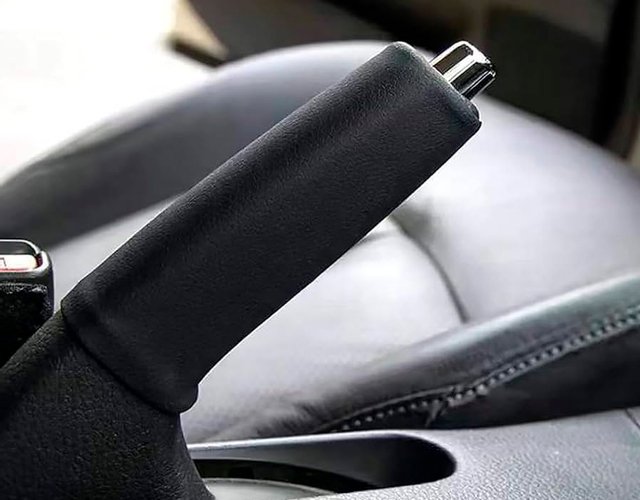
At this year's Automechanika Fair in Frankfurt in September, we will be introducing the market's largest range of handbrake cable guide tubes.
The Triscan range contains almost six times as many references as the second largest programme in the aftermarket. Cable guide tubes have been used on a wide range of models from VAG, Stellantis and Toyota.
| AUDI | A1, A3, |
| CITROËN | Berlingo, C3, C5 |
| FIAT | Doblo |
| OPEL | Combo |
| PEUGEOT | Partner, Rifter, 207, 208, 2008 |
| SEAT | Altea, Arona, Cordoba, Ibiza, Leon, Mii, Toledo |
| SKODA | Citigo, Fabia, Octavia, Yeti |
| TOYOTA | Proace City |
| VAUXHALL | Combo |
| VW | Bora, Caddy, Eos, Fox, Golf, Jetta, New Beetle, Polo, Scirocco, Taigo, Touran, T-Cross, UP |
Function
On cars with handbrake system designs using cable guide tubes, it is the task of the cable guide tube to guide and protect the handbrake cable between the handbrake lever/pedal and the brake mechanism at the wheels.
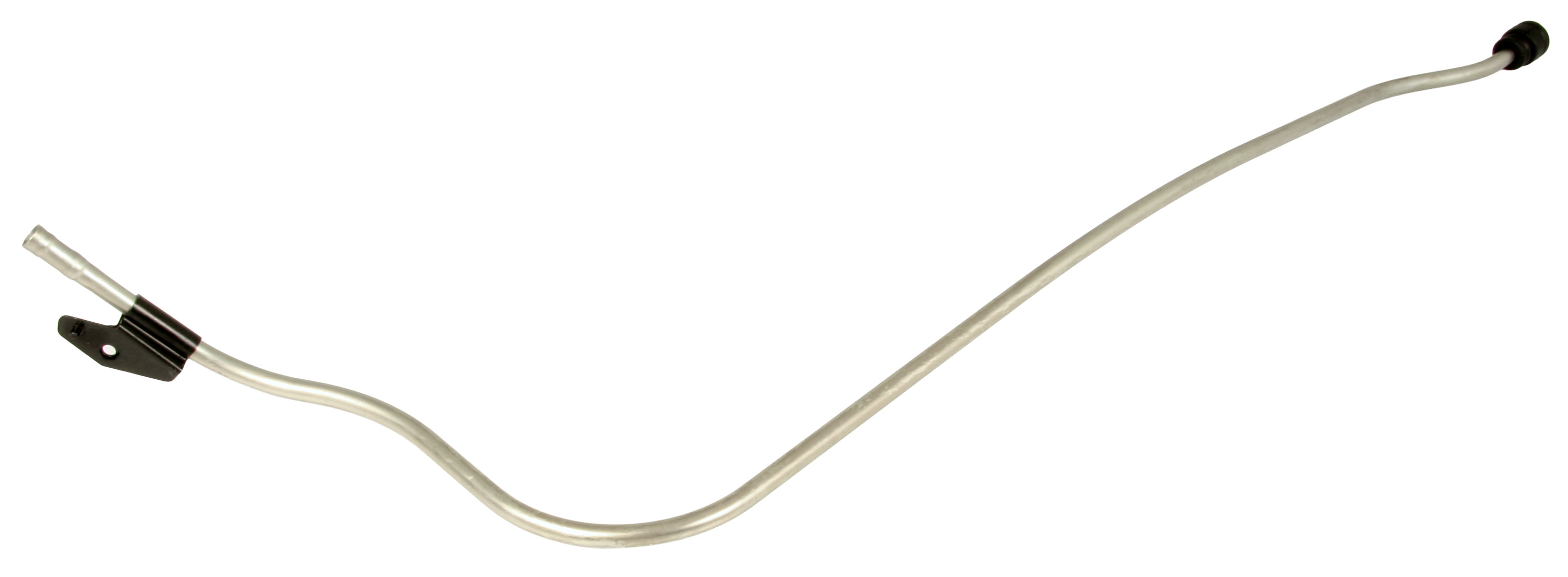
Triscan 8140 38921 – handbrake cable guide tubes for Citroën C5 I and C5 II
The cable guide tube ensures that the cable runs in the correct path under the car while preventing sharp kinks and inappropriate angles that can increase friction.
In addition, the cable guide tube protects the handbrake cable from dirt, water, salt, stone chips and corrosion - and thus extends the life of the cable.
Challenges
Typical problems – especially on older cars – with the cable guide tube is corrosion, which is very common in the Nordic countries due to moisture and road salt. Rust inside the cable guide tube can cause the cable to run tight or get stuck. The symptoms of this are usually that the handbrake is difficult to pull and the brake does not release completely.
In addition to corrosion, dirt and moisture can also pose challenges. Water and dirt can enter, especially if the rubber cuffs of the guide tube are cracked or missing. In winter, water ingress can cause the cable to freeze and dirt can cause the cable to run sluggishly.
Last but not least, mechanical damage or deformation can occur if the steerer tube becomes pinched or bent. This type of damage leads to increased friction and thus poor or uneven handbrake performance.
Especially with rusty or damaged conduits, the cable's outer sheath and wires wear out faster. Ultimately, this can lead to cable breakage and loss of handbrake function.
Summary
| PARAGRAPH | SIGNIFICANCE |
|---|---|
| Function | Guiding and protecting the handbrake cable |
| Common problems | Rust, water, dirt and deformation |
| Typical symptoms | Tight handbrake, the brake does not release |
| Solution | Replacing steerer tubes and often cables |